
31 ago Casino myths debunked: Separating fact from fiction in gambling
Understanding Casino Odds and House Edge
One of the most pervasive myths in the gambling world is the belief that casinos manipulate their odds to ensure players lose. In reality, casinos operate with a built-in advantage known as the house edge. This edge is a mathematical representation of how much the casino expects to win in the long run, based on the rules of each game. For instance, in games like roulette, the presence of a zero or double zero gives the casino a slight edge over the player, making it crucial for gamblers to understand these odds before placing their bets. Players who grasp this concept can find opportunities to enjoy the best online pokies and make more informed decisions about their gameplay, leading to a more strategic approach and a better understanding of their potential outcomes.
Another common misconception is that players can beat the house edge by employing certain strategies or systems. While strategies like card counting in blackjack can give players an advantage, they do not eliminate the house edge entirely. Casinos are well aware of these strategies and often have measures in place to counteract them, including increasing the number of decks used in card games or closely monitoring players for suspicious behavior. Therefore, understanding that the house edge is designed to keep the casino profitable is essential for responsible gambling. Players must recognize that while skill can improve their odds, it cannot guarantee success.
This understanding also leads to more informed decision-making. Players who know the odds can make better choices about which games to play and how much to bet. For example, games with better odds, such as blackjack or baccarat, often offer better returns compared to slot machines, which have a much higher house edge. Recognizing these nuances in the odds can help gamblers enhance their experience and potentially improve their outcomes, allowing them to engage more thoughtfully with their chosen games. By prioritizing their understanding of the house edge, players can strategize effectively and enjoy their time at the casino more fully.
The Role of Luck and Superstition in Gambling
Another myth surrounding casinos is the idea that luck plays a definitive role in winning, often intertwined with various superstitions. Many players believe that wearing a specific item, touching a particular object, or following certain rituals can influence their luck at the tables. However, games in a casino are based on random number generators and probability, meaning that past outcomes do not significantly affect future results. Therefore, while superstitions may add an element of fun, they have no bearing on actual gambling outcomes. Understanding this can alleviate the pressure some players feel when trying to replicate their past successes, ultimately leading to a more enjoyable gambling experience.
Furthermore, the concept of ‘hot’ and ‘cold’ machines in slot games creates another layer of superstition. Players may vacate a slot machine that has not paid out in hopes of moving to a ‘hot’ one, believing that luck can change from machine to machine. In reality, each spin on a slot machine is an independent event, and the likelihood of winning or losing remains constant regardless of previous results. Understanding the randomness behind these games can help players avoid unnecessary losses based on false beliefs, encouraging them to focus on the enjoyment of the game rather than the outcome. This awareness can foster a more relaxed and enjoyable gambling environment.
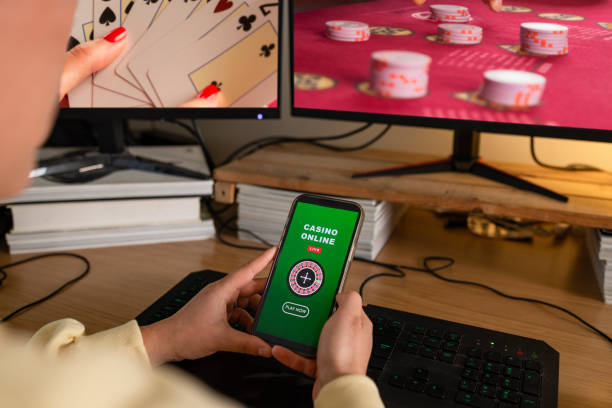
In essence, recognizing the difference between luck and skill is crucial for a responsible gambling experience. While there are games that allow for skillful play, such as poker, many others hinge purely on luck. This distinction can help players set realistic expectations and maintain a healthier mindset toward gambling, eliminating the emotional rollercoaster that often accompanies superstitious beliefs. Embracing this knowledge can lead to a more enjoyable and less stressful gaming experience, allowing players to engage with their favorite games without the burden of false hopes linked to luck.
Online Gambling Myths: Truth Behind Digital Games
The rise of online casinos has introduced a new set of myths, particularly surrounding the fairness and safety of digital gambling. Many players fear that online games are rigged or that the outcomes are manipulated by the operators. In reality, reputable online casinos are regulated by gaming commissions that enforce strict standards for fairness. Most online games utilize random number generators (RNGs) to ensure that each game result is random and impartial, making them as fair as traditional casinos. This transparency is vital for building trust between players and online operators, allowing gamblers to enjoy their experiences without undue worry.
Moreover, concerns about the security of online transactions and personal data are prevalent. Players often believe that their financial information is at high risk when engaging in online gambling. Established online casinos invest heavily in cybersecurity measures to protect user data and ensure safe transactions. This includes using encryption technologies and adhering to data protection regulations, which significantly reduce the risk of data breaches. Understanding these protective measures can help players feel more secure while engaging in online gambling, enhancing their overall experience in the digital gaming landscape.
Understanding that online gambling can be as safe and fair as in-person gambling is important for players. By choosing licensed and well-reviewed platforms, gamblers can enjoy the convenience and variety of online gaming without unnecessary fears. Awareness of the protective measures in place allows players to indulge in their favorite games with peace of mind that their experience will be both enjoyable and secure. This knowledge is essential for fostering a positive online gambling culture, encouraging responsible play while enjoying the benefits of modern technology.
The Illusion of Control: Strategies in Gambling
Many gamblers cling to the misconception that they can control the outcome of games through strategies, leading to the illusion of control over chance-based outcomes. This belief is particularly strong in games like poker, where skill plays a pivotal role. While players can certainly improve their odds through knowledge and strategy, the basic premise of chance remains intact. Success in poker depends heavily on the hands dealt and the decisions of other players, which are outside any single player’s control. Recognizing this can help players avoid overconfidence and make more rational decisions during gameplay, fostering a healthier approach to their gambling habits.

Furthermore, strategies such as betting progressions can give players a false sense of confidence. Many believe that increasing their bets after a loss will eventually lead them back to breaking even. However, this can lead to significant financial losses, as relying solely on such strategies lacks a solid mathematical foundation. Understanding that gambling is inherently risky and that there are no guaranteed paths to success is critical for anyone engaging in these activities. This realization can help players adopt a more balanced and cautious approach to gambling, allowing them to enjoy the thrill without falling prey to the trap of overconfidence.
Empowering oneself with knowledge about different games and their strategies is beneficial, but players must maintain realistic expectations. The thrill of gambling should be viewed as entertainment rather than a reliable source of income. By accepting the unpredictability of chance and making informed choices based on sound strategies, players can enjoy the excitement of the game without falling victim to the illusion of control. Emphasizing the enjoyment aspect can also contribute to a healthier relationship with gambling, ensuring that players engage with the activity in a way that prioritizes fun over profit.
Educating Yourself for Responsible Gambling
In a landscape filled with myths and misconceptions, educating oneself is the key to navigating the world of gambling responsibly. Players should seek out trustworthy resources and information to dispel common myths and ensure a well-rounded understanding of the games they engage in. Workshops, seminars, and online resources can provide valuable insights into strategies, odds, and the psychological aspects of gambling, creating a more informed player base. By being educated, players can make better decisions and have a more enjoyable experience, ultimately leading to more responsible gambling practices.
Moreover, embracing a mindset of responsible gambling involves understanding one’s limits and recognizing when to walk away. It is essential for players to set budgets, establish time limits, and always view gambling as a form of entertainment rather than a source of income. By maintaining perspective and prioritizing fun over winning, players can enjoy their gambling experiences while minimizing negative consequences. This proactive approach can significantly enhance overall satisfaction and reduce the risks associated with gambling, leading to a healthier gaming environment.
For those who find themselves struggling with gambling-related issues, numerous support services and hotlines are available. Seeking help and guidance demonstrates a commitment to responsible gambling practices and ensures that the gaming experience remains enjoyable and safe for all participants. By prioritizing education and awareness, the gambling community can shift from myth-based beliefs to informed, responsible engagement. Such a shift can lead to a more positive environment for all players involved, enriching the overall gambling experience and fostering a culture of responsibility.